
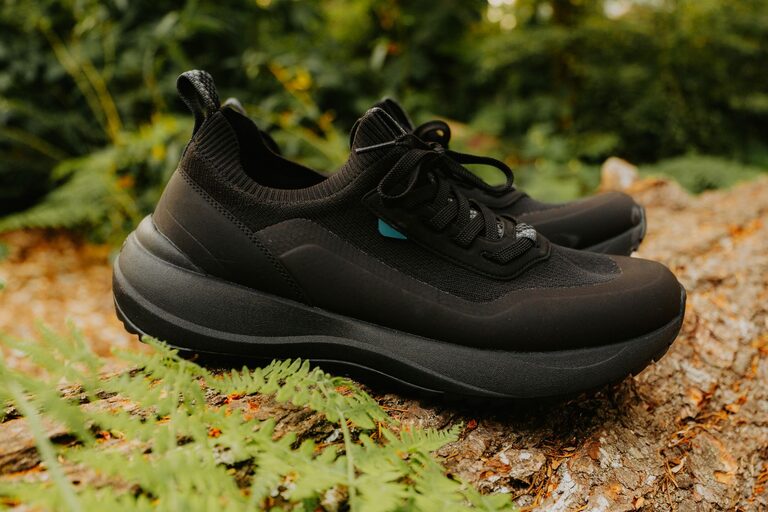
Choosing the right walking shoes can make everyday outings more enjoyable. Whether you are walking through a busy city, running errands, exploring a park, or traveling somewhere new, comfortable footwear helps you stay focused on the experience instead of your feet.
The best walking shoes are not always the most expensive or the most fashionable. They are the ones that fit your feet well, suit your routine, and provide the right balance of support, flexibility, and durability. Use this guide to compare your options and find a pair that feels good from the first step to the last.
Start With How You Plan to Use Them
Before shopping, think about where and how you will wear your shoes. A pair designed for short neighborhood walks may not be the best choice for long days of sightseeing or uneven outdoor paths.
Consider these common uses:
– Daily errands: Look for lightweight shoes that are easy to put on and comfortable for walking on pavement.
– Travel: Choose versatile shoes that work with different outfits and can handle long days on your feet.
– Park and trail walks: Consider shoes with durable materials and an outsole that offers dependable grip.
– Commuting: Breathable, weather-resistant shoes may be useful if you walk in changing conditions.
– Casual everyday wear: Focus on comfort, simple styling, and materials that are easy to maintain.
You may need more than one pair if your activities vary widely. However, a well-designed everyday walking shoe can handle many situations.
Pay Attention to Fit First
A comfortable shoe starts with a good fit. Features such as cushioning and arch support cannot make up for a shoe that is too narrow, too loose, or the wrong shape for your foot.
When trying on walking shoes:
- Try them on later in the day, when your feet may be slightly larger than in the morning.
- Wear the type of socks you expect to use with the shoes.
- Walk around the store for several minutes.
- Check both shoes, since your feet may not be exactly the same size.
- Make sure your heel stays in place without rubbing.
- Confirm that your toes can move freely.
There should be enough space between your longest toe and the front of the shoe. Your toes should not press against the end when you walk downhill or take a longer stride. At the same time, your foot should not slide forward or sideways inside the shoe.
Do not assume that shoes will become comfortable after a long break-in period. Some materials may soften slightly, but major pressure points, pinching, or slipping are signs of a poor fit.
Look for a Comfortable Toe Box
The toe box is the front part of the shoe where your toes rest. A comfortable toe box should provide enough width and height for your toes to spread naturally as you walk.
Avoid shoes that squeeze the sides of your feet or force your toes together. A narrow shape may look streamlined, but it can become uncomfortable during extended wear. If you prefer a close-fitting style, make sure it still allows natural movement.
Different brands use different shapes, so do not rely only on your usual size. Try on several models and compare how the toe area feels while standing and walking.
Choose the Right Cushioning
Cushioning affects how a shoe feels underfoot. Some shoes have a soft, plush feel, while others provide a firmer and more responsive surface.
Neither option is right for everyone. Consider your preferences and walking environment:
– Soft cushioning can feel comfortable during long walks and extended periods of standing.
– Firmer cushioning may provide a more stable, grounded sensation.
– Moderate cushioning offers a balance between comfort and control.
– Thicker midsoles may add comfort but can sometimes feel less flexible.
– Flexible soles allow easier foot movement, especially during casual walking.
Try walking on different surfaces if possible. A shoe that feels comfortable on a carpeted store floor may feel different on concrete or tile. Pay attention to whether the shoe feels balanced and natural rather than focusing only on how soft it is.
Check the Support and Stability
Walking shoes should feel supportive without being stiff or restrictive. A supportive design helps your foot feel secure as you move through your day.
Look for:
– A secure heel counter that keeps the back of your foot in place
– A midsole that bends where your foot naturally bends
– A stable base that does not feel wobbly
– Laces, straps, or other closures that allow a comfortable fit
– A sole that provides traction for your usual walking surfaces
Support is not the same as rigidity. A very stiff shoe may feel secure at first but can be tiring if it does not match your walking style. Walk several steps and notice whether the shoe moves with your foot.
Consider Breathable Materials
Breathability can make a major difference during warm weather or long days of walking. Mesh and other ventilated materials allow more airflow, while leather and coated fabrics may offer a more structured feel or added protection from light moisture.
When comparing materials, think about your priorities:
– Mesh: Lightweight and breathable, but may offer less protection from rain and rough surfaces
– Leather: Durable and structured, though it may feel warmer and require more care
– Synthetic materials: Often affordable, easy to clean, and available in many designs
– Water-resistant finishes: Useful in light rain, but not always fully waterproof
A breathable shoe can help your feet feel fresher, but ventilation should not come at the cost of a secure fit or adequate durability.
Inspect the Outsole and Traction
The outsole is the bottom part of the shoe, and its design affects grip and wear. For everyday walking, look for a sole with enough texture to provide traction on common surfaces such as sidewalks, floors, and paved paths.
If you often walk on gravel, grass, or packed dirt, choose a shoe with a more durable outsole and a pattern that can handle uneven ground. For mostly indoor or city use, a lighter sole may be more comfortable and flexible.
Check the sole for smooth areas that could wear quickly. A well-made outsole should feel firmly attached and should not peel away when you flex the shoe gently.
Balance Comfort, Style, and Versatility
A shoe you enjoy wearing is more likely to become part of your regular routine. Fortunately, walking shoes are available in many styles, from athletic designs to simple casual sneakers and more polished options.
For maximum versatility, choose neutral colors and a design that works with your everyday clothing. If you want a shoe for specific activities, features such as reflective details, brighter colors, or outdoor-inspired materials may be useful.
Style should support comfort rather than replace it. Avoid choosing a shoe based only on its appearance if it does not fit well or feel stable.
Shop With a Practical Checklist
Use this checklist while comparing pairs:
– Does the shoe fit comfortably without pinching?
– Can your toes move freely?
– Does your heel stay in place?
– Is the shoe comfortable on both hard and soft surfaces?
– Does the sole provide enough grip?
– Is the material suitable for your climate?
– Can you adjust the fit with laces or straps?
– Does the shoe feel light enough for everyday use?
– Does it match the activities you plan to do?
– Is the construction sturdy enough for regular wear?
If you order online, review the sizing information and return policy before buying. Read customer comments for details about width, fit, and durability, but remember that comfort is personal. A pair that works well for one person may not suit another.
Break In New Shoes Gradually
Even well-fitting shoes may feel unfamiliar at first. Wear your new pair for short periods before using them for a full day of travel or a long walk.
Start by wearing them around the house or for brief errands. Check for rubbing, slipping, or pressure as you move. Adjust the laces or straps if needed, and consider different socks if the fit allows it.
If discomfort continues, the shoe may not be the right match. Comfortable walking shoes should support your everyday adventures without requiring you to ignore ongoing pressure or irritation.
Make Comfort the Main Measure
The ideal walking shoe should feel secure, flexible, and comfortable for the way you spend your time. Start with fit, then compare cushioning, support, materials, traction, and style. By considering your daily activities and testing shoes carefully, you can find a reliable pair that makes errands, travel, and casual exploring more enjoyable.