
Busy weeks can make everyday meals feel harder than they need to be. Between work, school, errands, and household tasks, deciding what to cook may become one more source of stress. A simple meal-planning routine can make the process more manageable without requiring a detailed schedule or complicated recipes.
The goal is not to plan every moment of the week. Instead, focus on a few repeatable habits that help you choose meals, shop efficiently, and use the food you already have.
Start With a Realistic Plan
A common meal-planning mistake is trying to organize every breakfast, lunch, dinner, and snack for seven days. While detailed planning works for some households, it can feel overwhelming and may leave little room for changes.
Start with three or four planned dinners. Leave the remaining days open for leftovers, easy meals, takeout, or unexpected schedule changes.
Consider Your Weekly Schedule
Before choosing meals, look at the week ahead. Note busy evenings, late workdays, appointments, and days when you may have more time to cook.
For example:
– Plan a quick meal for the busiest evening.
– Choose a recipe that makes leftovers for the next day.
– Save a slower, more involved recipe for a less crowded day.
– Keep one simple backup meal available.
This approach connects your meal plan to your actual schedule instead of treating every day the same.
Use a Small List of Reliable Meals
You do not need a new recipe every night. A collection of familiar meals can make planning faster and reduce the number of decisions you need to make.
Create a list of 10 to 15 meals that your household enjoys. Include a mix of:
– One-pot or sheet-pan meals
– Sandwiches, wraps, or salads
– Pasta or rice-based dishes
– Soups and stews
– Breakfast-for-dinner options
– Store-bought items paired with fresh ingredients
– Meals that freeze or reheat well
When planning each week, choose several meals from this list. Add a new recipe only when you have the time and interest to try one.
Build Meal Categories
Organizing meals by category can make your list easier to use. You might have categories such as:
– Quick meals
– Meatless meals
– Slow-cooker meals
– Make-ahead meals
– Family favorites
– Meals under 30 minutes
This system lets you choose a meal based on the kind of evening you expect to have.
Plan Around Ingredients, Not Just Recipes
Choosing recipes individually can lead to a long grocery list and unused ingredients. Instead, look for meals that share key ingredients.
For example, a package of tortillas might be used for wraps one night and quesadillas later in the week. Cooked vegetables can be served as a side dish, added to a grain bowl, or mixed into an omelet.
When selecting meals, look for overlapping ingredients such as:
– Rice, pasta, or other grains
– Fresh herbs
– Salad greens
– Shredded cheese
– Cooked chicken or beans
– Onions and peppers
– Tomatoes or other versatile vegetables
Using ingredients in more than one meal can simplify shopping and help reduce food waste.
Keep a Flexible Grocery List
A grocery list is most useful when it is easy to update. Keep one in a notes app, on a shared household list, or on paper in a familiar place.
Organize the list by store section, such as:
– Produce
– Dairy and refrigerated foods
– Meat and seafood
– Pantry items
– Frozen foods
– Household supplies
This organization can make shopping quicker because you are less likely to move back and forth through the store.
Before adding items, check your refrigerator, freezer, and pantry. You may already have ingredients that can form the base of a meal. A quick inventory also helps prevent buying duplicates.
Choose a Weekly Prep Window
Meal planning does not always require hours of cooking. Set aside 20 to 45 minutes once or twice a week for small preparation tasks.
Depending on your schedule, you might:
– Wash and cut vegetables
– Cook a batch of rice, pasta, or grains
– Prepare a sauce or dressing
– Portion snacks
– Marinate ingredients
– Move frozen items to the refrigerator to thaw
– Wash reusable containers
– Review the next few days of meals
You do not have to prepare complete meals in advance. Preparing a few building blocks can make cooking feel much easier on busy evenings.
Match Prep to Your Energy
Choose a prep time that fits your routine. Some people prefer to prepare ingredients after grocery shopping, while others find it easier to do a short session on a weekend afternoon.
If a weekly prep session feels difficult, divide it into smaller tasks. Wash vegetables one day, prepare a grain the next, and assemble a sauce later. Small efforts can still make a noticeable difference.
Keep Backup Meals on Hand
Even a good plan can change. A meeting may run late, an errand may take longer than expected, or you may simply not feel like cooking. Backup meals give you an alternative without requiring another trip to the store.
Useful options include:
– Frozen vegetables with rice and eggs
– Canned soup with bread and a simple salad
– Pasta with jarred sauce
– Frozen pizza with fresh fruit or vegetables
– Canned beans for tacos or grain bowls
– Sandwich ingredients
– Prepared foods from the grocery store
A backup meal is not a failure of planning. It is part of a practical plan that allows for busy days.
Make Leftovers Part of the Plan
Leftovers can save both time and effort, but they work best when you decide how to use them before cooking.
When preparing dinner, consider whether the extra food will become:
– Lunch for the next day
– A filling for wraps or sandwiches
– A topping for a salad
– An ingredient in soup
– A freezer meal for a later week
Store leftovers in clear containers and label them when helpful. Keeping them visible can make it easier to remember what is available.
If your household does not enjoy eating the same meal twice, prepare components rather than full portions. Cooked grains, roasted vegetables, or seasoned protein can be combined in different ways throughout the week.
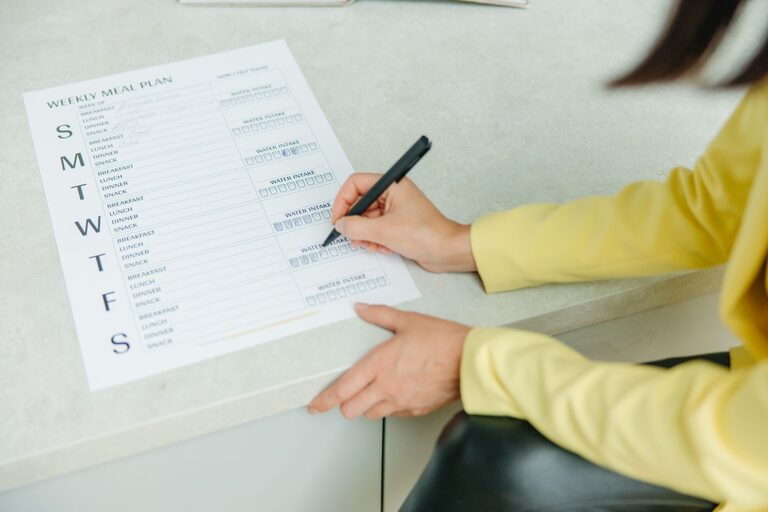
Create a Simple Planning Template
A basic template can make meal planning a quick weekly habit. Try writing down:
- The busiest days of the week
- Three or four dinner ideas
- One leftover meal
- One backup meal
- Ingredients already available
- Items needed from the store
- Any prep tasks to complete
You can also include easy breakfast and lunch options if those meals are difficult to manage. Keep the template simple enough to reuse each week.
Review and Adjust
Meal planning works best when it changes with your needs. At the end of the week, take a few minutes to consider what worked and what did not.
Ask yourself:
– Which meals were easiest to prepare?
– Did you buy more than you needed?
– Were any ingredients left unused?
– Did the plan include enough flexibility?
– Which recipes should be added to your regular list?
Use the answers to adjust the following week. A plan that is useful matters more than one that looks perfect.
Make It Easier, Not More Complicated
The most effective meal-planning habits are usually the simplest ones. Choose a few realistic meals, shop with a focused list, prepare useful ingredients, and keep backup options available.
You do not need a strict schedule or a large collection of recipes. With a flexible routine, meal planning can reduce daily decisions, make grocery trips more organized, and help busy weeks run more smoothly.