
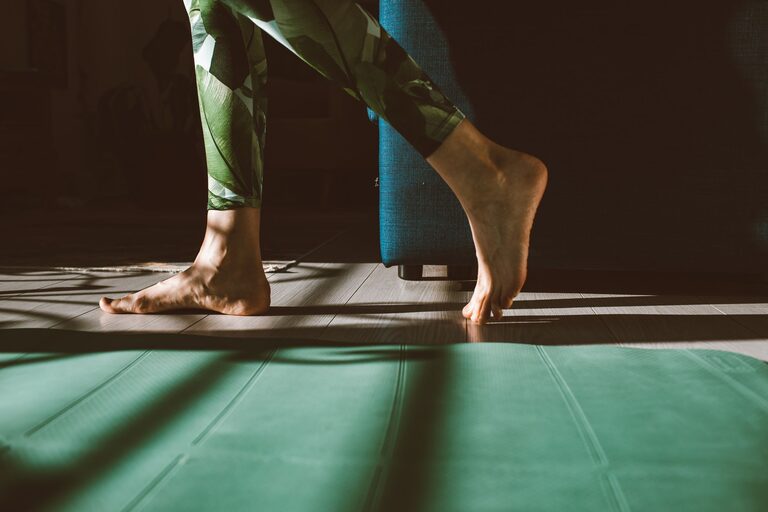
Walking is one of the simplest ways to add more movement to your day. You do not need a gym, complex equipment, or a large open space to get started. With a few adjustments, your home can become a comfortable place for a walking workout that supports energy, mobility, and everyday fitness.
A home walking workout can include marching in place, walking from room to room, stepping side to side, or following a guided walking video. The goal is to keep your body moving at a steady, manageable pace while creating a routine that feels easy to repeat.
Choose the Best Space in Your Home
Start by looking for a clear, comfortable area. You do not need a long hallway or a large room, but you should have enough space to move without bumping into furniture.
Before each workout:
– Remove loose rugs, cords, toys, and other tripping hazards.
– Move small tables or chairs out of your walking path.
– Make sure the floor is dry and even.
– Keep pets, bags, and other distractions away from the workout area.
– Leave enough room to turn around comfortably.
A loop through a living room, hallway, and kitchen may work well. If your space is limited, simply walk in place. You can also alternate between forward steps, side steps, and gentle knee lifts to create variety without traveling far.
Good lighting and fresh air can make the space feel more inviting. Open a window if the temperature is comfortable, or turn on a fan for airflow. Playing music or listening to a podcast may also help make the workout more enjoyable.
Wear Comfortable Clothing and Shoes
Comfortable clothing makes it easier to focus on movement. Choose clothes that allow your arms and legs to move freely without pulling, slipping, or overheating.
Footwear is also important. Wear supportive athletic shoes that fit well and have a secure sole. Avoid walking in socks on smooth floors, loose slippers, or shoes that pinch your toes. If you prefer to exercise barefoot, make sure the floor is clean, dry, and suitable for that choice.
Keep a water bottle nearby, especially if your room is warm or your workout lasts longer than a few minutes. A small towel can also be useful.
Start With a Simple Warm-Up
A short warm-up helps you ease into the workout. Begin slowly for three to five minutes instead of starting at your fastest pace.
Try this simple sequence:
- March gently in place for one minute.
- Roll your shoulders forward and backward.
- Swing your arms naturally at your sides.
- Take slow steps from side to side.
- Gradually increase your walking pace.
Keep your movements relaxed. The warm-up should feel comfortable rather than demanding. It is simply a way to prepare your body for more active walking.
Build Your Main Walking Workout
Once you are warm, choose a pattern that suits your space. You can repeat one movement or combine several for a more engaging routine.
Option One: Walk and Turn
Walk from one end of the room to the other, turn carefully, and walk back. Repeat at a steady pace. Keep your steps smooth and avoid making sharp turns.
Option Two: March in Place
Lift one foot at a time while staying in the same spot. Let your arms swing naturally. To make the movement more active, lift your knees slightly higher or increase your pace.
Option Three: Use Walking Intervals
Alternate between easier and faster periods. For example:
– Walk easily for two minutes.
– Walk at a quicker pace for one minute.
– Repeat the pattern for 15 to 20 minutes.
The faster pace should still feel controlled. You should be able to speak in short sentences without feeling overwhelmed.
Option Four: Add Simple Direction Changes
Every few minutes, change your movement. Try walking forward, stepping side to side, marching in place, or taking a few backward steps only if you have a clear view and stable footing. Keep backward steps small and slow.
Changing directions can prevent the workout from feeling repetitive. It can also help you stay focused on your surroundings and posture.
Pay Attention to Pace and Posture
A comfortable walking pace is more important than speed. Stand tall, keep your shoulders relaxed, and look forward rather than down at the floor. Let your arms move naturally, and take steps that feel stable.
Avoid holding your breath or tightening your shoulders. If you notice that you are rushing, shorten your steps and slow down until your movement feels smooth again.
A useful guide is the talk test. At a moderate pace, you should be able to talk, although you may notice that you are breathing more deeply. If speaking becomes difficult, reduce your pace or take a short break.
Keep Workouts Manageable
If you are new to regular exercise, begin with a short session. Ten minutes of walking can be a useful starting point. As the routine becomes easier, add a few minutes at a time.
A basic weekly plan might look like this:
– Monday: 10 to 15 minutes of easy walking
– Tuesday: 10 minutes with short faster intervals
– Wednesday: Rest or gentle movement
– Thursday: 15 to 20 minutes of steady walking
– Friday: 10 to 15 minutes with direction changes
– Saturday: Optional relaxed walking
– Sunday: Rest
You can adjust this plan to fit your schedule. Consistency matters more than making every workout long. A short routine that you repeat regularly is often easier to maintain than an ambitious plan that feels difficult to fit into your day.
Make the Routine More Enjoyable
A comfortable workout is one you look forward to doing. Add small touches that make the experience pleasant:
– Create a playlist with upbeat songs.
– Listen to an audiobook or podcast.
– Follow a beginner-friendly walking video.
– Walk during a favorite television show.
– Exercise at a time of day when you usually have the most energy.
– Track your time, steps, or completed sessions.
You can also use household landmarks to organize your workout. For example, walk around the room during one song, march in place during the next, and use the final song for a cool-down.
Finish With a Cool-Down
Do not stop suddenly after a faster walking period. Slow your pace for three to five minutes, allowing your breathing to return to normal.
You can finish with gentle movements such as:
– Easy marching
– Shoulder rolls
– Ankle circles
– Gentle calf stretches
– Slow side steps
Keep stretches comfortable and avoid bouncing. The cool-down should help you transition from exercise to the rest of your day.
Listen to Your Body
Your workout should feel controlled and manageable. Take a break if you feel unusually tired, unsteady, or uncomfortable. Stop if you experience sharp pain, dizziness, or other concerning symptoms, and consider seeking appropriate professional guidance before continuing.
Keep the area safe, progress gradually, and focus on building a routine that fits your home and lifestyle. With a clear space, comfortable shoes, and a steady pace, a home walking workout can be a simple way to add more movement to your day.