
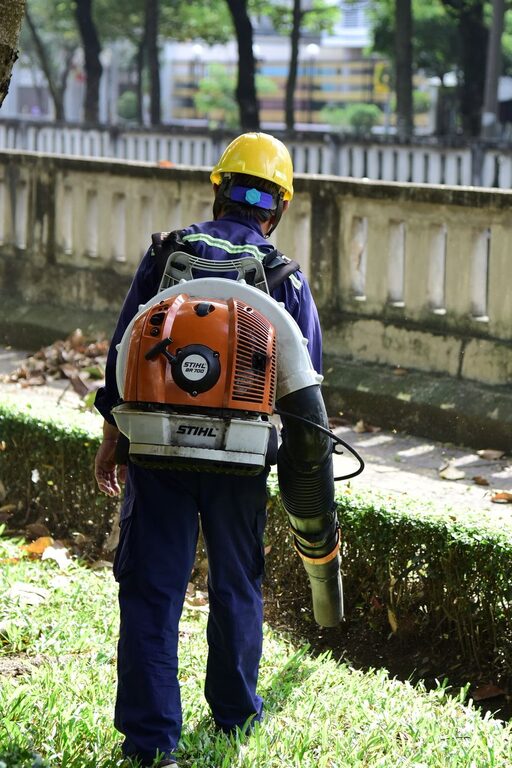
Make Gardening an Easy Way to Stay Active
Gardening naturally combines walking, reaching, lifting, bending, and light strength-building. Whether you are planting herbs, refreshing a flower bed, or caring for a few containers, small outdoor projects can keep you moving throughout the day.
The key is to plan projects that match your space, tools, and comfort level. Safe gardening is not about finishing everything at once. It is about using steady movements, taking regular breaks, and creating a work area that makes each task easier.
Start With a Simple Garden Walk
Before you plant or prune, take a slow walk around your yard, patio, or balcony. Look for areas that need attention and note the distance between your tools, water source, and garden beds.
This short walk can help you:
- Plan a practical order for your tasks
- Notice uneven ground, loose stones, or slippery surfaces
- Identify plants that need watering or pruning
- Choose a convenient place for tools and supplies
- Break a large project into smaller sections
Keep walkways clear of hoses, buckets, hand tools, and bags of soil. If you use a path often, consider adding stepping stones, mulch, or another stable surface. A tidy route makes it easier to move between tasks without unnecessary trips.
Create a Container Garden
Container gardening is a flexible project for a patio, balcony, porch, or small yard. It also gives you control over the height and location of your plants.
Choose containers that are easy to move when empty, then fill them in their final location whenever possible. Lightweight pots, rolling plant stands, or raised planters can reduce the need to carry heavy loads.
Plan a Comfortable Container Setup
Arrange containers at several heights so you can vary your movements. Place some on the ground, others on a sturdy stand, and a few on a raised shelf designed for outdoor use. Leave enough space between them to walk and turn comfortably.
Good beginner choices include:
- Herbs such as basil, parsley, and thyme
- Leafy greens suited to your local growing season
- Compact flowers
- Small peppers or tomatoes
- Low-maintenance plants for sunny or shady areas
Use a watering can with a comfortable handle, or position containers near a hose with a gentle spray setting. Water slowly to avoid spills and slippery surfaces.
Build a Small Raised Bed
A raised bed can make planting, weeding, and harvesting more organized. It may also reduce the need to walk across a large area while carrying tools.
Keep the bed narrow enough that you can reach the center from either side without leaning too far. A path around the bed should be wide enough for comfortable walking and turning. Use sturdy materials designed for outdoor use, and check that the bed sits level on firm ground.
Make the Project Manageable
Instead of completing the entire bed in one day, divide the work into stages:
- Choose the location and measure the space.
- Clear weeds, branches, and loose debris.
- Assemble or install the frame.
- Bring in soil in small amounts.
- Add plants or seeds.
- Finish with a thin layer of mulch.
Use a garden cart or wheelbarrow for supplies when possible. Load it with modest amounts and push it over smooth paths. Keep the load balanced so the cart remains easy to control.
Turn Weeding Into a Movement Routine
Weeding can become repetitive when you stay in one position too long. Make it more comfortable by changing tasks and positions regularly.
Work in a small area for a set amount of time, then stand up, walk to another part of the garden, or switch to watering or pruning. Keep frequently used tools within easy reach so you do not need to twist or stretch repeatedly.
When working close to the ground, use a kneeling pad, low garden seat, or portable bench. Rise slowly and check that the ground is stable before walking. If the soil is wet, postpone the task or use a safer, firmer route around the bed.
Plant a Garden for Frequent Short Trips
A garden designed for regular, short visits can help you stay active without requiring a long work session. Place useful plants in several sections of the yard or around the patio so you have a reason to walk between them.
For example, you might create:
- A small herb container near the kitchen door
- A flower bed along a walkway
- A vegetable planter near the water source
- A pollinator-friendly area at the far end of the yard
This layout encourages brief tasks such as checking leaves, removing fallen flowers, harvesting herbs, or watering individual pots. Short visits are often easier to fit into a busy schedule than one large gardening session.
Choose Tools That Support Safe Movement
The right tools can make gardening more comfortable and efficient. Look for handles that are easy to grip, tools that match the size of the job, and equipment that does not require excessive force.
Helpful choices may include:
- A lightweight hand trowel and cultivator
- Pruning shears that open and close smoothly
- A long-handled weeder for beds with extra reach
- A garden seat with a stable base
- A cart for moving soil, leaves, and supplies
- Gloves that provide a secure grip
Keep tools clean and store them in one accessible location. Before using a tool, check that handles, blades, wheels, and fasteners are in good condition. Replace damaged equipment rather than trying to make it work.
Use Safe Lifting and Carrying Habits
Garden materials can be awkward even when they are not especially heavy. Plan how you will move a bag, pot, or bucket before picking it up.
Whenever possible, divide supplies into smaller containers. Hold items close to your body, keep your path clear, and avoid carrying loads that block your view. For larger items, ask for help or use a cart.
Set bags of soil on a raised surface before scooping small amounts into a container. This reduces the need to lift the entire bag repeatedly. When moving a pot, empty it first if you can, and use both hands.
Schedule Breaks Into Every Project
A break is part of the plan, not a sign that a project has gone wrong. Pause regularly to drink water, check the weather, and decide whether you want to continue.
A simple gardening rhythm might look like this:
- Walk through the area and choose one small task.
- Work steadily for a short period.
- Put tools away or place them where they cannot cause a trip.
- Walk, stretch gently, and have a drink.
- Return to the task only if you still feel comfortable.
Avoid rushing to finish before sunset, a change in weather, or the end of the weekend. Leaving a small task for another day can make gardening more enjoyable and easier to manage.
Finish With a Safe Cleanup
At the end of each session, take a few minutes to restore the space. Coil hoses, remove plant trimmings from paths, return tools to storage, and wipe mud from walking surfaces.
Check gates, steps, and pathways before you leave the area. Store sharp tools with blades protected and keep fertilizers, soil treatments, and other garden products in their original labeled containers, away from children and pets.
With thoughtful planning, gardening can be a practical way to move more throughout the day. Choose projects that fit your space, use tools that make tasks easier, and work at a steady pace. The best garden routine is one you can enjoy safely, season after season.