
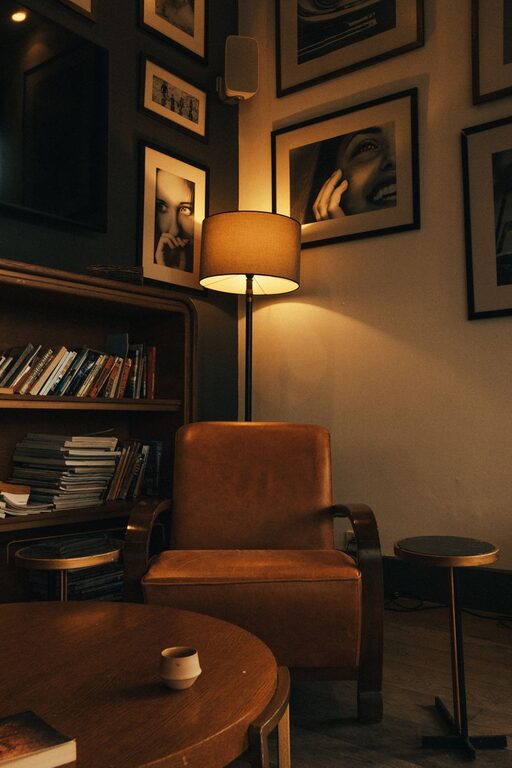
A comfortable reading and relaxation corner can give your home a calm, inviting place to pause. It does not need to be large or expensive. With a thoughtful layout, comfortable seating, soft lighting, and a few personal details, you can turn a quiet corner into a space you will enjoy every day.
Whether you live in a spacious home or a small apartment, the key is to create an area that feels separate from your daily routines. It should support reading, listening to music, enjoying a cup of tea, or simply taking a few quiet minutes for yourself.
Choose the Right Location
Start by looking for a spot that feels naturally peaceful. A corner near a window is often a good choice because natural light makes the space feel bright and welcoming. However, avoid placing your chair where direct sunlight creates glare on book pages or makes the area too warm.
Other possible locations include:
– An unused corner of a bedroom
– A space beside a living room window
– A wide hallway nook
– A quiet area near a bookcase
– A corner of a home office
– A covered section of a porch or sunroom
Think about how the space is used throughout the day. A corner near a television or busy walkway may be distracting. If you have children, pets, or a shared household, choose a location where you can enjoy some privacy without making the space difficult for others to use.
Select Comfortable Seating
Seating is the most important part of a relaxation corner. Choose a chair that supports your back and allows you to sit comfortably for an extended period. A compact armchair, lounge chair, recliner, or cushioned reading chair can work well.
When testing a chair, consider:
– Whether your feet rest comfortably on the floor
– Whether the seat is deep enough without feeling difficult to leave
– Whether the back provides steady support
– Whether the arms are at a comfortable height
– Whether the upholstery feels pleasant against your skin
You can add a soft throw blanket or a small lumbar cushion for extra comfort. If you prefer a more casual space, consider a large floor cushion, beanbag chair, or padded bench. Just make sure the option you choose provides enough support for the activities you plan to enjoy.
Add a Small Footrest
A footrest can make a reading chair feel much more relaxing. It allows you to change positions and support your legs while you read or rest. An ottoman is a practical choice because it can also provide storage or serve as an extra seat.
Other options include:
– A low wooden stool
– A padded pouf
– A small upholstered bench
– A folded floor cushion
– A compact reclining footrest
Choose a footrest that matches the height of your chair. It should not force your knees too high or leave your legs stretched uncomfortably. Keep enough open space around it so you can move through the room easily.
Plan Layered Lighting
Good lighting makes the corner more useful and comfortable. Natural light is helpful during the day, but you will also need a dependable light source for evenings and cloudy days.
A floor lamp beside the chair is a popular choice because it provides focused light without taking up much table space. A table lamp can work well if you have a side table. Look for a shade that directs light toward your book without shining directly into your eyes.
For the best results, combine several types of lighting:
– Natural daylight from a nearby window
– A focused reading lamp
– Soft ambient light from a nearby fixture
– Decorative lighting, such as a small lamp or string lights
Choose warm, gentle bulbs to create a relaxed atmosphere. If possible, use dimmable lighting so you can adjust the brightness for reading, relaxing, or listening to music. Position lamps carefully to reduce shadows across the page and prevent glare.
Include a Practical Side Table
A small side table keeps useful items within easy reach. It does not need to be large. A compact round table, narrow console, or simple stool may be enough.
Use the table for items such as:
– A current book or e-reader
– Reading glasses
– A mug or water bottle
– A small lamp
– A notebook and pen
– A decorative object
Avoid filling the surface with too many items. A clear tabletop feels more relaxing and makes the corner easier to maintain. If storage is limited, choose a table with a drawer or lower shelf.
Add Simple Storage
A reading corner can become cluttered when books, blankets, and accessories have nowhere to go. Add storage that keeps these items close while preserving the calm appearance of the space.
Useful storage options include:
– A narrow bookcase
– A small basket for blankets
– Wall-mounted shelves
– A storage ottoman
– A rolling cart
– A fabric bin beside the chair
Keep your most-used books within easy reach. You can organize them by subject, size, or color, depending on the look you prefer. If you use an e-reader, headphones, or a tablet, designate one drawer or basket for those items.
Create a Calm Color Scheme
Color strongly affects how a space feels. Soft, natural shades can make a reading corner feel peaceful, while a few deeper accents can add warmth and personality.
Consider colors such as:
– Cream
– Warm white
– Soft gray
– Sage green
– Muted blue
– Light brown
– Terracotta
You do not need to repaint the room. Add color through a cushion, throw blanket, rug, artwork, or lamp shade. Try to coordinate the corner with the surrounding room so it feels like part of the home rather than an isolated display.
Use Textures for Comfort
Texture helps a small space feel warm and inviting. Combine different materials without making the area look crowded. A woven rug, knitted blanket, linen cushion, or soft upholstered chair can add visual interest and physical comfort.
A rug also helps define the corner, especially when it is located within a larger room. Choose a size that allows at least the front legs of the chair and the footrest to sit on the rug. This creates a clear, connected arrangement.
Add Personal Details
The best relaxation corners reflect the people who use them. Add a few items that make you feel comfortable and welcome.
Personal touches may include:
– Favorite books
– Framed artwork
– A small plant
– Family photographs
– A handmade cushion
– A ceramic mug
– A decorative bowl
– A small speaker for quiet music
Keep decorations intentional. Too many objects may make the corner feel busy. Select pieces that support the mood you want rather than simply filling empty surfaces.
Improve Privacy and Reduce Distractions
Even a small amount of separation can make the corner feel more restful. Position the chair so it faces away from busy areas when possible. A bookcase, folding screen, curtain, or tall plant can help define the space without blocking light.
Keep chargers, remote controls, and other distracting items organized. If noise is a concern, use soft furnishings such as rugs, curtains, and cushions to reduce echoes. You can also keep headphones nearby for music or audiobooks.
Keep the Corner Easy to Maintain
A relaxation space should not require a lot of work. Choose durable, washable fabrics when possible, and place a basket nearby for blankets and books that need to be put away.
Create a simple routine:
- Return books to their shelf after use.
- Fold blankets and place them in the basket.
- Clear cups and dishes from the side table.
- Dust lamps and shelves regularly.
- Adjust the layout if the space begins to feel crowded.
A clean, organized corner will remain inviting and ready to use.
Make It Your Own
There is no single formula for a perfect reading and relaxation corner. Start with the essentials: comfortable seating, suitable lighting, and a convenient place for books. Then add storage, texture, and personal details as your needs become clear.
The goal is to create a space that encourages you to slow down and enjoy the moment. Even a small, simple corner can become one of the most valued areas in your home when it is designed around comfort, convenience, and your personal style.